
(Update: This post has been superseded by the 10/28 “I Was Wrong…” post)
I’ve felt this way for a while, but it really hit home this past June when I was seated next to someone at a wedding and, on seeing my white Lumia 1520, they commented “Oh, is that the new iPhone 6 Plus?”.
As my response of “No, it’s the Microsoft Windows Phone Lumia 1520” tumbled awkwardly out of my mouth, they noticed the branding on the phone and said “Oh, it’s a Nokia”.
This was not a techy, just your average consumer, and it was a vivid example of how important a clear, recognizable brand is, and how much Microsoft lacks this in the mobile phone space.
When Microsoft purchased the Nokia phone business in 2013 they did not acquire the Nokia brand, but they did get the Lumia brand, which Nokia used for it’s line of Windows Phone based phones. While those in the limited Windows Phone universe (less than 4% worldwide market share at the time) recognized the Lumia brand, it had almost zero brand value or recognition with the general consumer.
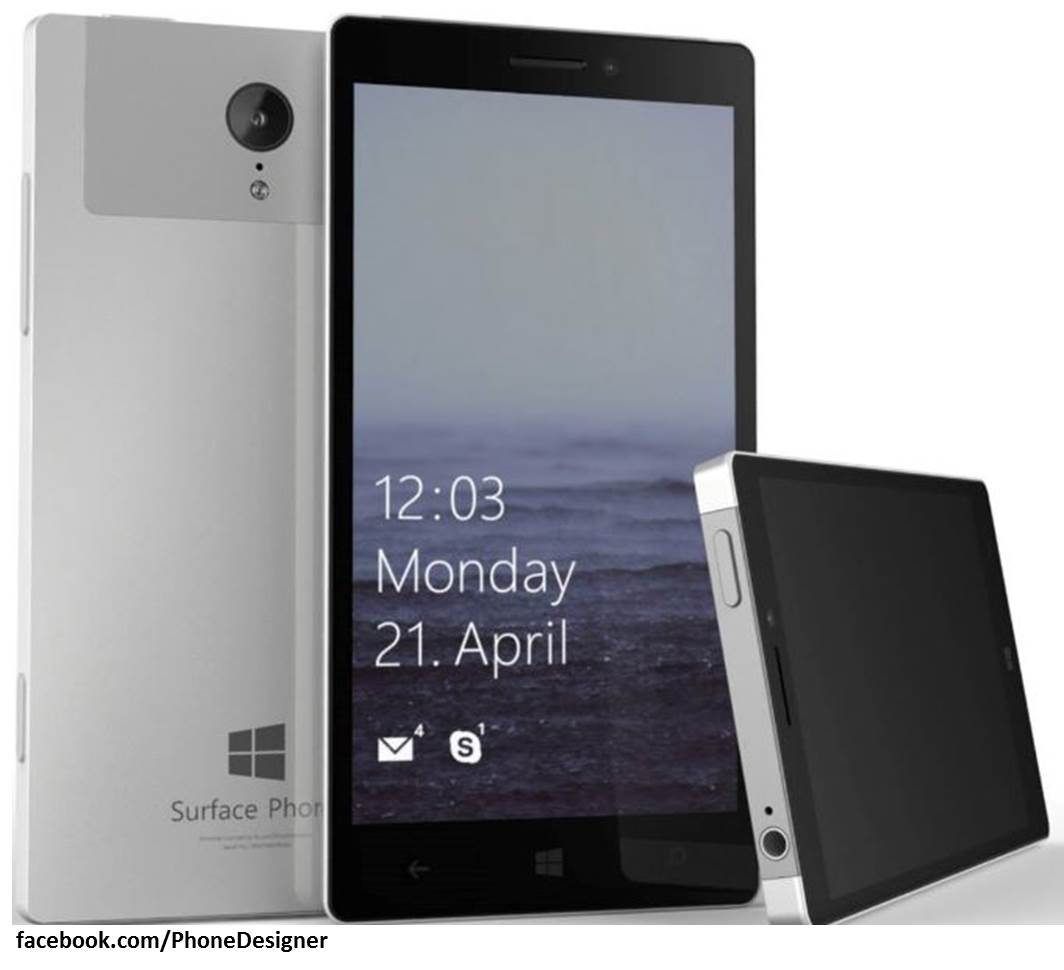
Microsoft has kept the Lumia branding for the new phones it has introduced over the past 2 years, but with the pending release of Windows 10 Mobile, and the new phones Microsoft will introduce later this year, now is the time to drop the Lumia brand and go with “Surface Phone”.
There’s no rocket science here, and others have speculated on this before, but given the continued strength of sales of the Microsoft Surface tablets, the introduction of the large screen Surface Hub, and the reported $400 million investment Microsoft has made with the NFL to promote the Surface brand, it only makes sense for Microsoft to extend the brand to phones.
And to be fair, for Microsoft to have done this any sooner would have been a mistake, and I give them credit for recognizing this. With Windows 10, and Windows 10 Mobile, Microsoft is delivering on the promise of universal applications which can run across a range of device types, optimized for the particular device type and size being used, and provide both consumers, and developers a unique level of consistency across devices, and a common brand promise can be built behind the Surface brand.
As I’ve posted previously, the Windows 10 wave may be Microsoft’s last shot at mobile but with the positive response Windows 10 has received in it’s first month of release, the strength of the Surface tablet business and the new devices coming later this year the potential is there.

 clarkb...